
What Does Love Cost Us?
A Holy Thursday Reflection for Iconic Marriages

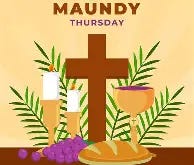
Holy Thursday is the quiet hinge of Holy Week, the night where everything sacred and everything human collided at one table. Before the cross, before the tomb, before the miracle of Sunday, there was a meal. A simple meal. A final meal. A table where love and betrayal sat side by side.
And if we’re honest, marriage often feels like that table a place where love, disappointment, sacrifice, and forgiveness all sit together, asking us who we will choose to be.
You’ve heard the question about “What do you bring to the table?”, but this meal, this table will go down as the most historical in all of history!
Tonight, the Church remembers the Last Supper.
But it also remembers Judas.
Not just what he did but what he didn’t do.
And that’s where the lesson for marriages lives.
The Mistake Judas Made Wasn’t the Betrayal. It Was the Distance Afterward
People often reduce Judas to “the one who snitched on Jesus.”
But that’s not the heart of the story.
Peter denied Jesus too three times.
The other disciples ran.
Fear made cowards of all of them.
But Peter came back.
Judas didn’t.
The tragedy of Judas is not the betrayal.
It’s that he didn’t return to the One who could have restored him.
He didn’t come back to the table.
He didn’t come back to the relationship.
He didn’t come back to the love that was still available to him.
He isolated himself in shame instead of returning for reconciliation.
And marriages fall apart the same way not because of the mistake, but because of the distance that follows it.
🌑 A Little‑Known Detail: Jesus Was Still Calling Judas “Friend”
Even in the moment of betrayal, Jesus said:
“Friend, do what you came for.”
He didn’t call him enemy.
He didn’t call him traitor.
He didn’t call him failure.
He called him friend.
Meaning:
The door to restoration was still open.
The relationship was still redeemable.
The love was still extended.
Judas didn’t lose Jesus’ love instead; he lost his way back to it.
And that’s the cost of love in marriage:
the courage to come back to the table after we’ve hurt each other.
The Cost of Love: What Holy Thursday Teaches Us About Marriage
Love costs something.
Not abuse.
Not harm.
Not tolerating mistreatment.
But real love costs:
emotional labor
patience
humility
repair
returning
choosing each other again
Modern relationships often confuse sacrifice with self‑destruction.
They think forgiveness means tolerating harm.
They think patience means silencing your needs.
They think love means losing yourself.
But that’s not the Gospel.
That’s not covenant.
That’s not Iconic Marriages.
The cost of love is your ego.
The cost of love is your pride.
The cost of love is your unwillingness to repair.
Jesus didn’t model harmful sacrifice.
He modeled holy sacrifice, which is the kind that restores, not destroys.
This Week, We’re Sowing in Faith
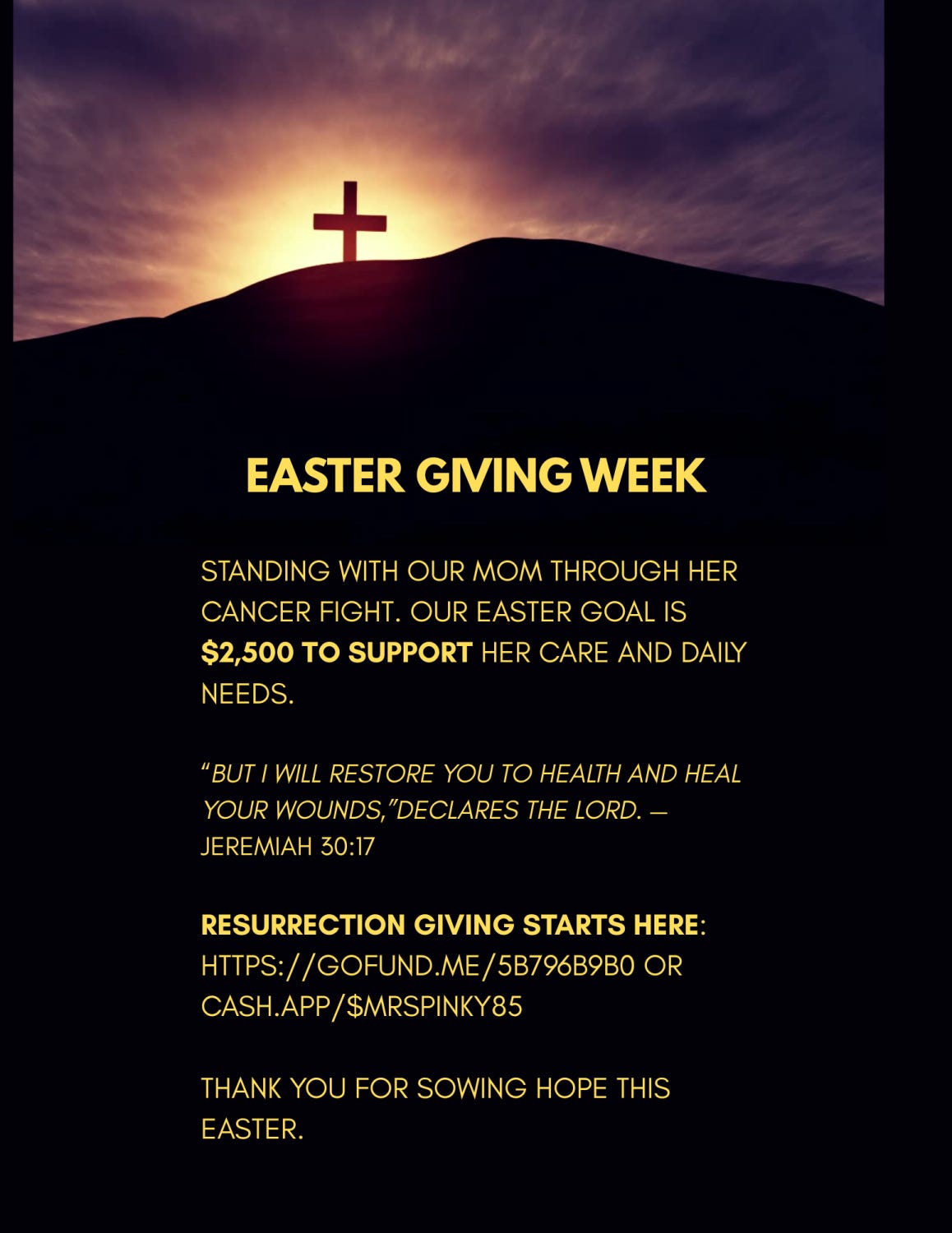
As we continue caring for my mom things like the appointments, the medications, the travel, the daily needs, we are sowing into her healing, her dignity, and her comfort.
And we’re inviting our community to sow with us. Not out of pressure. Not out of guilt. But out of the same truth Jesus taught:
What you sow in love, God multiplies. What you sow in faith, God honors. What you sow in compassion, God returns in abundance.
If you feel led to sow into her care this Holy Week:
cash.app/$mrspinky85 or https://gofund.me/622e5286b
Easter Goal: $2,500 for medication, transportation, and daily care needs
If you can’t donate funds, we ask you to please donate shares to 3 or more family and friends, we appreciate the kindness at this time.
Every seed matters.
Every prayer matters.
Every share matters.
Holy Thursday: The Night Love Chose to Stay
This night matters because it shows us:
Jesus washed the feet of people who would fail Him.
He served people who didn’t understand Him.
He loved people who would abandon Him.
He stayed at the table with people who would hurt Him.
His love was stronger than their failures.
In marriage, we are called to that same kind of holy resilience:
Not to tolerate harm.
Not to excuse wrongdoing.
But to stay open to repair.
To return to the table.
To choose each other again.
Judas teaches us what happens when we don’t.
Did you know we are closer to Judas than we often are closer to Jesus? The point of the story isn’t just in his betrayal but in his unthinking about long-term consequences of his decision.
This Easter, Ask Yourself: What Does Love Cost Me?
Does it cost me my pride?
My silence?
My stubbornness?
My fear of being vulnerable?
My need to be right?
My habit of withdrawing when I’m hurt?
Or does it cost me something deeper
the courage to return to the table when I’d rather run?
Easter is resurrection.
But Holy Thursday is the invitation to relationship.
It’s the night Jesus showed us that love is not proven by perfection —
it’s proven by presence.
A Closing Reflection for Iconic Marriages
As we move toward Easter, may we remember:
mistakes don’t end marriages
silence does
distance does
shame does
refusing to repair does
Judas didn’t lose Jesus’ love. Unfortunately, he lost his way back to it.
May we never lose our way back to each other.
May we choose the table again.
May we choose the work again.
May we choose the love again.
Because resurrection isn’t just for tombs. They are for marriages too.
What Does Love Cost Us?
Greater love hath no man than this, that a man lay down his life for his friends. -John 15:13